
 Flash fiction is a medium of brief and enclosed stories. Its average word count ranges anywhere from five to 1,500 words, but the consensus is that the maximum tops out at 2,000.
Also called short shorts, nano-tales, micro-stories, postcard fiction, or (a personal favorite) napkin fiction, flash fiction isn’t just a pared-down short story. Its focus isn’t necessarily on plot or characters, though it should still have both. Instead, the emphasis is placed on movement: each sentence must peel back a new layer that wasn’t visible at first. If a line (or even a word) doesn’t progress the story or reveal more about a character, it probably won’t belong in this medium.
How to write good flash fiction
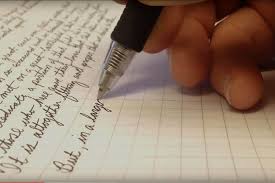 Micro-stories can provide the opportunity to experiment in a low stakes environment — challenging you to spotlight a slight story while hinting at a larger one and squeeze more out of every word and detail. They also allow you to engage readers who may be short on time (or attention).
While writing them isn’t necessarily easy, it certainly isn’t as time-consuming as writing a novel. If you write short shorts regularly between chapters (or bouts of writer’s block), you can share them quickly and often to build a fanbase that will yield dividends come publication time.
If you decide that writing flash fiction is right for you, here’s how to do it… and how not to.
DO tell a story.
 Believe it or not, even a micro-story should, yes, still be a story. As we mentioned earlier, don’t stress plot (read: have too many events happening), but do make sure that you have all the other mainstays of a story: a hook, a conflict, an ending. Flash fiction isn’t poetry — it demands tension. That’s why starting at the flashpoint, or the center of the conflict, is a common way to kick off a short short.
DO NOT tell too much.
This actually means two things:
- The intuitive: show don’t tell; and
- The counterintuitive: don’t include too much!
 The best way to avoid this latter pitfall? KISS. Keep it simple, stupid. Mapping the movement is fine, but if you can’t remember the rest of the plot without writing it down, you probably have too much going on. Instead, be concise and let the mood carry the writing.
DO write with the form in mind.
If there’s a theme to this blog post so far, it’s that micro-stories are their own thing. So, treat them as such! Operate within the boundaries of the form, and embrace its conventions
- Intense prose,
- Attentive language,
- A shining narrative voice,
- A powerful, central image, and
- The amplest meaning in the fewest words.
To best work within a 1,500-word frame, don’t just rework your more extensive ideas to fit the constraints. If you write a long first draft before cutting back, that’s okay. But if you start writing a short story just to cut it down to meet a word count, chances are you’ll follow the conventions of short stories instead of short short ones.
DO NOT be too obvious.

As blunt and straightforward as sudden fiction should be, it should not be boring, clichéd, or hokey — just because it’s short doesn’t mean it should artlessly blunt. Obvious language is even less impactful in a couple of paragraphs than in a novel (and it’s pretty bad in the latter, too), so make sure your wording is original. And don’t be afraid to experiment! The stakes have never been lower.
DO be enigmatic.
 Like the intriguing detail Hemingway used to end “baby shoes,” good flash fiction will often finish on an enigmatic and understated note. Surrender all the crucial information early on, and use the following paragraphs to dig deeper. The ending doesn’t need to be overly dramatic. Instead, it should “ring like a bell,” giving clarity to the prior passage.
DO NOT be ambiguous.
 This is the inverse of the last point — an enigmatic ending can be enticing, but an enigmatic beginning will only confuse. The rest of your details should be clear and articulate. Mince words, rather than writing yourself in circles. Any sentence that does not offer a distinct, new detail is unnecessary.
Credit/Source: reedsy.com
 Creative Designs and Technology Education