
LINE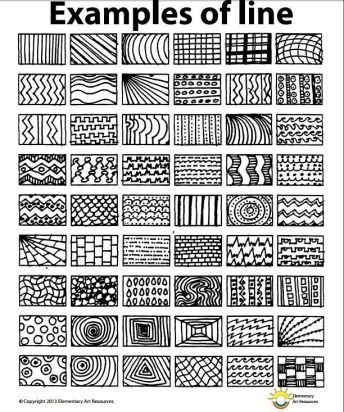
- The first and most basic element of design is that of the line.
- In drawing, a line is the stroke of the pen or pencil but in graphic design, it’s any two connected points.
- Lines are useful for dividing space and drawing the eye to a specific location.
- Here are a few examples of what we traditionally think of when we think of lines:
COLOR
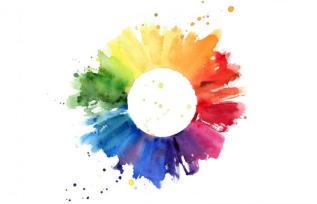
- Color is one of the most obvious elements of design, for both the user and the designer.
- It can stand alone, as a background, or be applied to other elements, like lines, shapes, textures or typography.
- Color creates a mood within the piece and tells a story about the brand. Every color says something different, and combinations can alter that impression further.
SHAPE AND FORM
- Shapes, geometric or organic, add interest. They are defined by boundaries, such as
 lines or color, and they are often used to emphasize a portion of the page.
 - Everything is ultimately a shape, so you must always think in terms of how the various elements of your design are creating shapes, and how those shapes are interacting.
SPACE
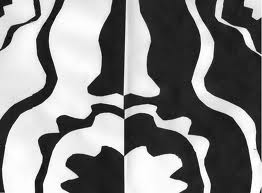
- Negative space is one of the most commonly underutilized and misunderstood aspects of designing for the page.
- The parts of the site that are left blank, whether that’s white or some other color, help to create an overall image.
- Use negative space to create shapes as you would any other element.
TEXTURE
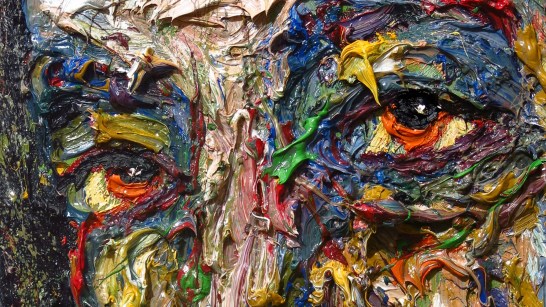
- Textures can create a more three-dimensional appearance on this two-dimensional surface. It also helps build an immersive world.
- It’s counter-intuitive to think about texture when the piece isn’t ever going to be touched. Websites and graphic design do rely on the look and impression of texture on the screen, however.
TYPOGRAPHY
- The single most important part of graphic and web design is typography.
- Like color, texture, and shapes, the fonts you use tell readers you’re a serious online news magazine, a playful food blog or a vintage tea tins shop.
- Words are important, but the style of the words is equally essential.
SIZE AND SCALE

- Playing with the scale and size of your objects, shapes, type, and other elements add interest and emphasis.
- Subtle differences suit professional content, while bold ones prefer creative enterprises.
VALUE
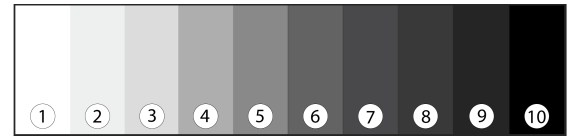
- Value refers to the lightness and darkness of areas in an artwork.
- White is the value lightness, while black is the darkest.
- The value scale shows a range of lights to darks.
- The value halfway between these extremes is called middle gray.
 Creative Designs and Technology Education