
In teaching, “inquiry” refers to a learning approach where students actively engage by asking questions, investigating topics, and seeking answers to deepen their understanding, rather than passively receiving information from a teacher; it emphasizes curiosity, exploration, and critical thinking to discover knowledge on their own.
Key points about inquiry in teaching:
- Student-centered: Students are encouraged to formulate their own questions and drive the learning process.
- Active learning: Involves research, analysis, and discussion to construct knowledge.
- Higher-order thinking: Promotes critical thinking skills like evaluating evidence and drawing conclusions.
- Teacher role: Facilitates the inquiry process by providing guidance, resources, and support.
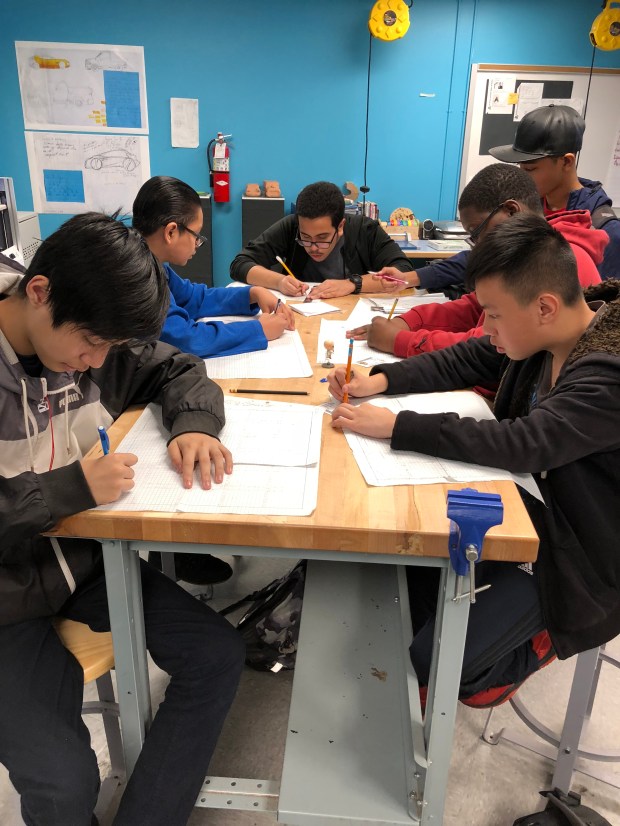
What does it look like in the classroom?
Teachers begin the inquiry process by introducing topics and encouraging questioning and modeling what it looks like to be curious. This promotes and guides focused dialogue and discussion among students attempting to answer their questions.
How can inquiry-based learning keep students engaged?

- Project-based learning: Students work in groups to complete projects based on open-ended questions.
- Active learning: Students are engaged through hands-on activities that encourage critical thinking.
What is a good inquiry question to start with?
The question should be reasonable. This means that there should be credible information which you can use to research your question. This does NOT mean the question has to be in the area of science, but it does mean that you should take a scientific approach (critical analysis) in researching your question.

 Creative Designs and Technology Education