
Problem of Practice

I have been integrating and developing project-based learning (PBL) in my commercial arts classroom for 20 years, allowing students to engage in real-world design challenges. PBL has been highly successful in fostering creativity, critical thinking, and collaboration, as students work on projects that mirror industry practices.
One of the biggest successes has been students taking ownership of their learning, developing portfolios that showcase their skills, and even securing internships or freelance work. However, challenges include balancing creative freedom with meeting curriculum standards and ensuring all students stay engaged, especially those who struggle with self-directed learning. Over the years, I’ve adapted by incorporating structured checkpoints, peer critiques, and industry-inspired deadlines to keep students on track. Overall, my students have responded positively, gaining confidence in their skills and appreciating the hands-on, real-world approach to learning.
Project-Based Learning (PBL) Component: Scholarship Hunt Challenge

Driving Question:
How can we design engaging and informative activities to help students successfully search for and secure scholarships for their education?
Project Overview:
Students will research, design, and implement interactive activities that teach their peers effective strategies for finding and applying for scholarships. These activities will be designed to address common challenges students face, such as searching for opportunities, writing compelling essays, and organizing application deadlines.
Key Activities

Scholarship Hunt Collaborative Padlet
— Students create post that includes all the required information about a scholarship using the fields provided.
— This will create a shared resource for all juniors when they start their Performance Task
Scholarship Research & Database Creation
— Students will research scholarships based on different criteria (academic, artistic, athletic, demographic, etc.).
— They will compile their findings into an accessible digital or physical resource for their classmates.
Time Management & Application Planning Toolkit
— Students will design planners, checklists, or digital tools to help peers track deadlines and application requirements.
Social Media Influencers Search
— Following influencers who find obscure scholarships to apply for. Over break assignment.
Assessment & Reflection:
- Students will reflect on what they learned about scholarship applications and assess the effectiveness of their activities based on peer feedback.
- The success of the project will be measured by engagement, student participation, and the usability of the resources created.
- This project not only strengthens students’ research, design, and communication skills but also provides valuable tools for funding their education.
Target Group

This project will be highly beneficial to juniors in Career and Financial Management because it equips them with essential skills for funding their education before they enter their senior year. Many students are unaware of the vast number of scholarships available or how to effectively search and apply for them, and this project provides hands-on experience in navigating the process.
By researching scholarships, creating organizational tools, and developing engaging activities, students will gain a deeper understanding of financial planning for college or trade schools. The project also enhances critical skills like research, time management, persuasive writing, and collaboration, all of which are valuable in both academic and professional settings. Additionally, juniors will have the opportunity to build a strong foundation for their senior year, ensuring they are prepared to apply for scholarships early and maximize their financial aid opportunities.

Through peer-led activities, students will also develop confidence in presenting information and supporting their classmates in making informed financial decisions. Ultimately, this project empowers students to take charge of their future and reduce the financial burden of higher education.
Planning and Resources
Comprehensive Guides on PBL Implementation
Edutopia’s Project-Based Learning Guide: Offers a collection of resources for teaching PBL, suitable for sessions ranging from two hours to multiple days.

Utilizing Padlet in PBL
Collaborative Workspace Tool: Padlet serves as a virtual space allowing collaborative content sharing, such as images, videos, documents, and text, enhancing group projects and discussions.
Educational Applications: Educators have used Padlet for various activities, including brainstorming sessions, resource curation, and interactive discussions.

Leveraging Google Sheets and Docs
Collaborative Document Creation: Google Docs enables real-time collaboration, allowing students to work together on project plans, research documents, and reports.
Data Organization and Analysis: Google Sheets facilitates the organization and analysis of data, essential for projects involving research and data collection.
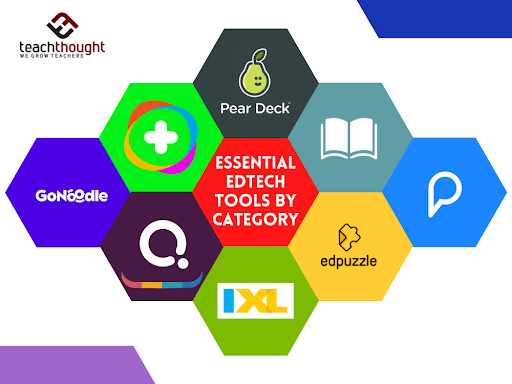
TeachThought’s Essential Tools
Useful Tools: Offers a mini-guide to tools that enhance PBL, such as Google Classroom for assignment distribution and grading.
Social Learning: By integrating these resources and tools, you can effectively implement PBL in your classroom, fostering an engaging and collaborative learning environment.
 Creative Designs and Technology Education