
Student Work Examples
Blog Posts and Webpages

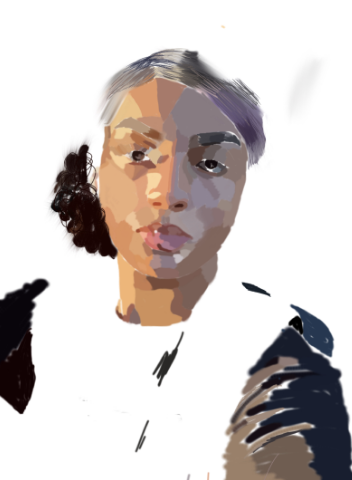


To start off, I definitely am not an artist. especially when it comes to drawing realistic things, illustration is nowhere near my strong suit. When…
I started my self portrait off by tracing out the image i selected of myself to use on another layer. I then started to do my eyes first and selecting the colors…
When creating this piece i had to learn how to use WordPress, something I had never heard of before this class. I am very grateful for it though…
Before creating my Adobe Draw Painting, I had to learn about highlights, mid tones, and shadows. When creating my art piece, some pitfalls I encountered was the skin…
Actionable Steps for Improving Student Reflections Across Subjects

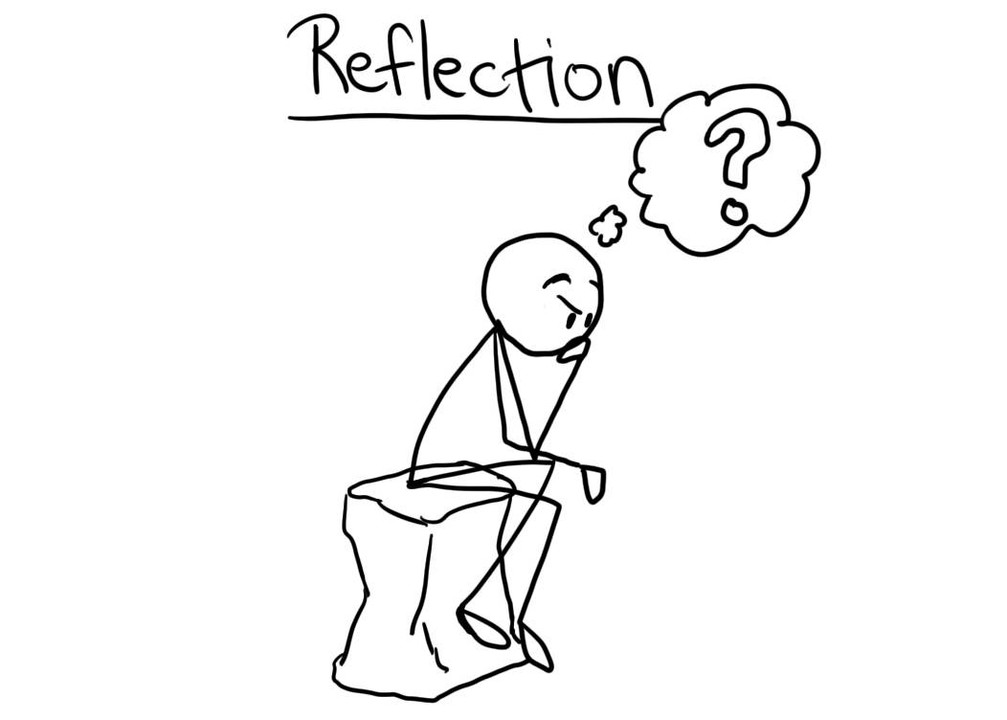
Use a Reflection Framework
Implement structured reflection models like “What? So What? Now What?” or “Describe, Analyze, Apply.”
Example: In Science, students can reflect on an experiment by explaining what happened, analyzing the results, and discussing real-world applications.
Incorporate Peer Feedback
Have students exchange reflections for peer review before submitting.
Example: In English, students can review each other’s literary analysis reflections to provide insights and suggestions.


Leverage Technology for Reflection
Use platforms like WordPress, Padlet, Flipgrid, or Google Docs to create digital reflection journals.
Example: In Math, students can blog about problem-solving strategies and how they overcame challenges.
Connect Reflections to Personal & Career Relevance
Encourage students to link learning experiences to their lives and future goals.
Example: In Social Studies, students can reflect on how historical events shape modern-day issues.

Model Reflective Thinking
Show examples of strong reflections and break down what makes them effective.
Example: In Physical Education, the teacher could share a reflection on their own fitness journey and self-improvement strategies. future goals.
Make Reflection a Routine
Schedule short, frequent reflections instead of one long response at the end of a unit.
Example: In Foreign Language classes, students can write daily or weekly journal entries on language challenges and progress.

Reflection and Instructional Resources
Edutopia Organization
Teach Writing Organization
Responsive Classroom
Padlet Shared Teacher Resource



Encouraging Meaningful Reflection With Creative Digital Tools: This article discusses how to use various digital platforms to facilitate student reflections, allowing them to choose between text, video, audio, and images.
Creative Reflection Techniques: Offers unique and creative reflection techniques and lessons tailored for secondary students, encouraging deeper engagement with the material.
Stop and Think: Teaching Students to Reflect: Offers strategies for teaching students the skills necessary for effective reflection, including journaling prompts and partner discussions.
Enhancing Student Reflection Strategies Across Subjects : A comprehensive guide for teachers to implement effective reflection practices in their classrooms
 Creative Designs and Technology Education