
Problem of Practice

One major problem of practice in retaining knowledge within a flipped classroom is that students often engage with new content independently, without immediate teacher guidance to clarify misunderstandings. When students complete pre-class materials—such as videos or online modules—they may move through the content passively, focusing on completion rather than comprehension. Without structured note-taking, questioning, or accountability measures, important concepts may not be processed deeply enough to transfer into long-term memory. As a result, students may arrive in class with partial understanding or misconceptions, making it difficult to build upon foundational knowledge during application activities.
Another challenge is the lack of consistent retrieval and reinforcement of previously learned material. In a flipped model, class time is frequently devoted to higher-order tasks, but without intentional opportunities to revisit and retrieve key concepts, students may forget essential vocabulary and processes. Retention requires spaced practice, feedback, and connections to prior learning; if these are not systematically embedded, knowledge remains fragmented. Over time, these gaps can compound, limiting students’ ability to apply skills confidently and accurately. Addressing this problem requires deliberate planning to ensure that exposure to content is followed by meaningful practice and repeated reinforcement.
Retaining Knowledge in a Flipped Classroom

Inquiry Question
How can I design pre-class learning experiences that promote active processing and reflection so that students better retain and apply new content learned independently?
This inquiry question explores how pre-class learning in a flipped classroom can be designed to promote deeper engagement and better knowledge retention by incorporating meaningful, student-centered strategies. By “making it personal,” students connect new content to their own lives, experiences, or perspectives, which increases relevance and helps them process and remember information more effectively. Additionally, having students create infographics encourages them to actively organize, visualize, and explain key concepts using flowchart logic and design, rather than passively consuming information. Together, these strategies support active learning, help students identify misunderstandings, and lead to stronger comprehension and retention before they come to class.
Strategies

“Make It Personal” Anticipatory Sets: Which provides strong sparks of curiosity, create relevance, and activate prior knowledge about money, careers, and future goals.
“Padlet for Collaboration”: Is a digital tool that allows students to share ideas, post their work, and respond to each other in a shared online space. In the classroom, students can upload their budget drafts or infographic ideas, leave comments, ask questions, and give peer feedback in real time.
“Visual Learning Using Canva”: Students use online services (visual.ly, infogr.am) to create an infographic that combines flowchart logic and visual presentation.
Target Group
The target group consists of 11th-grade students developing financial literacy and career awareness through project-based learning experiences. Using the “mastery + strands/standards” framework, particularly CFM Financial Tools, students build an understanding of the systems that influence economic choices and opportunities, such as budgeting, income management, and financial decision-making. Through activities like the monthly budget infographic, students actively apply these concepts to realistic scenarios, helping them recognize how financial systems impact their daily lives and future stability. This approach supports mastery by moving beyond basic knowledge to application, analysis, and personal relevance.
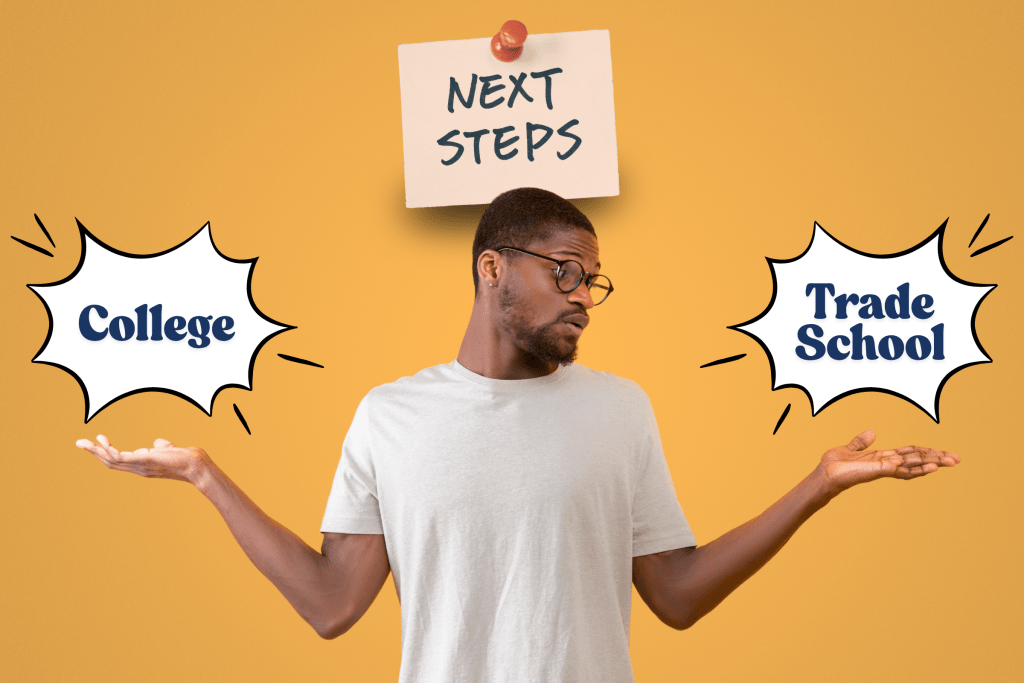
In addition, the standard Career Opportunities and Ethics helps students explore potential career paths within the financial world while considering the ethical implications of their decisions. Through projects like the financial vision board, students reflect on their goals, values, and responsibilities, connecting their financial choices to long-term career aspirations. They also develop an awareness of ethical practices, such as responsible spending, honesty in financial planning, and informed decision-making. Together, these strands prepare students to think critically about their futures while building the skills needed to navigate both financial systems and career opportunities responsibly.
Planning and Resources

“Would You Rather?” is a quick, interactive activity where students are presented with two financial choices and must decide which option they prefer and explain why. For example, they might choose between saving money for the future or spending it on something they want now. This activity encourages critical thinking, discussion, and personal connection to financial concepts, while helping students practice justifying their decisions.
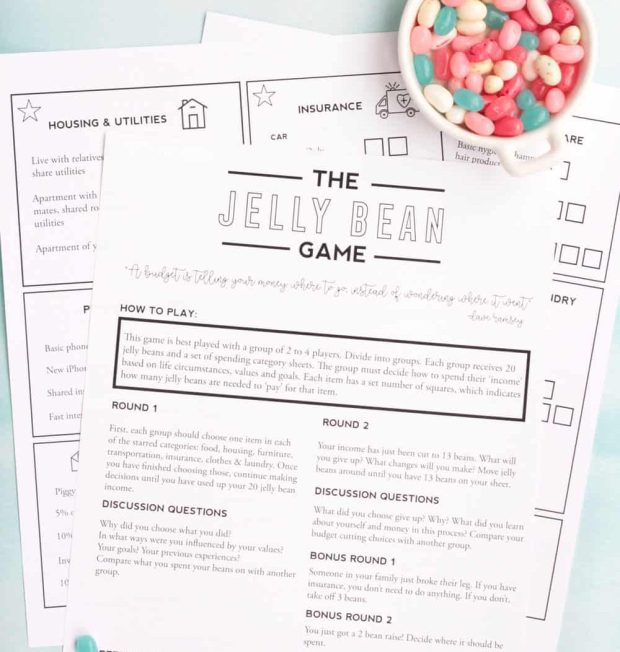
The Bean Game is an interactive budgeting simulation in which students are given a set number of “beans” (or tokens) representing their income, and they must allocate them across expense categories such as housing, food, transportation, and savings. Each category has guidelines or required percentages, forcing students to make realistic financial decisions and prioritize their spending. As they work through the activity, students see how quickly money gets used and gain a better understanding of budgeting, trade-offs, and the importance of planning.
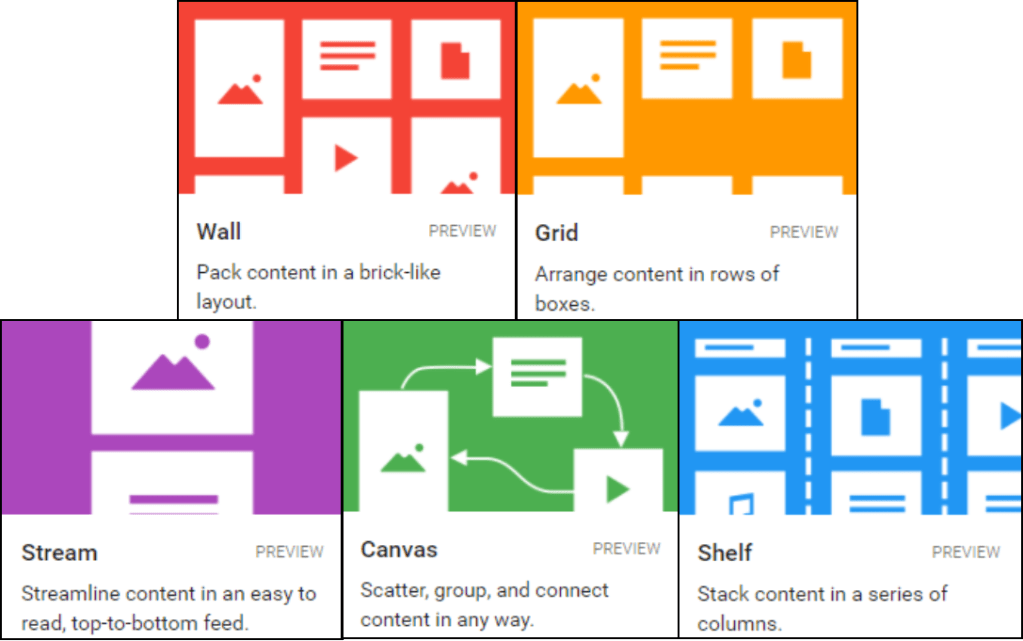
Padlet for Collaboration is a digital tool that allows students to share ideas, post their work, and respond to each other in a shared online space. In your classroom, students can upload their budget drafts or infographic ideas, leave comments, ask questions, and give peer feedback in real time. This encourages collaboration, reflection, and ongoing discussion, while also allowing you to monitor participation and provide guidance as students develop their understanding.
 Creative Designs and Technology Education